
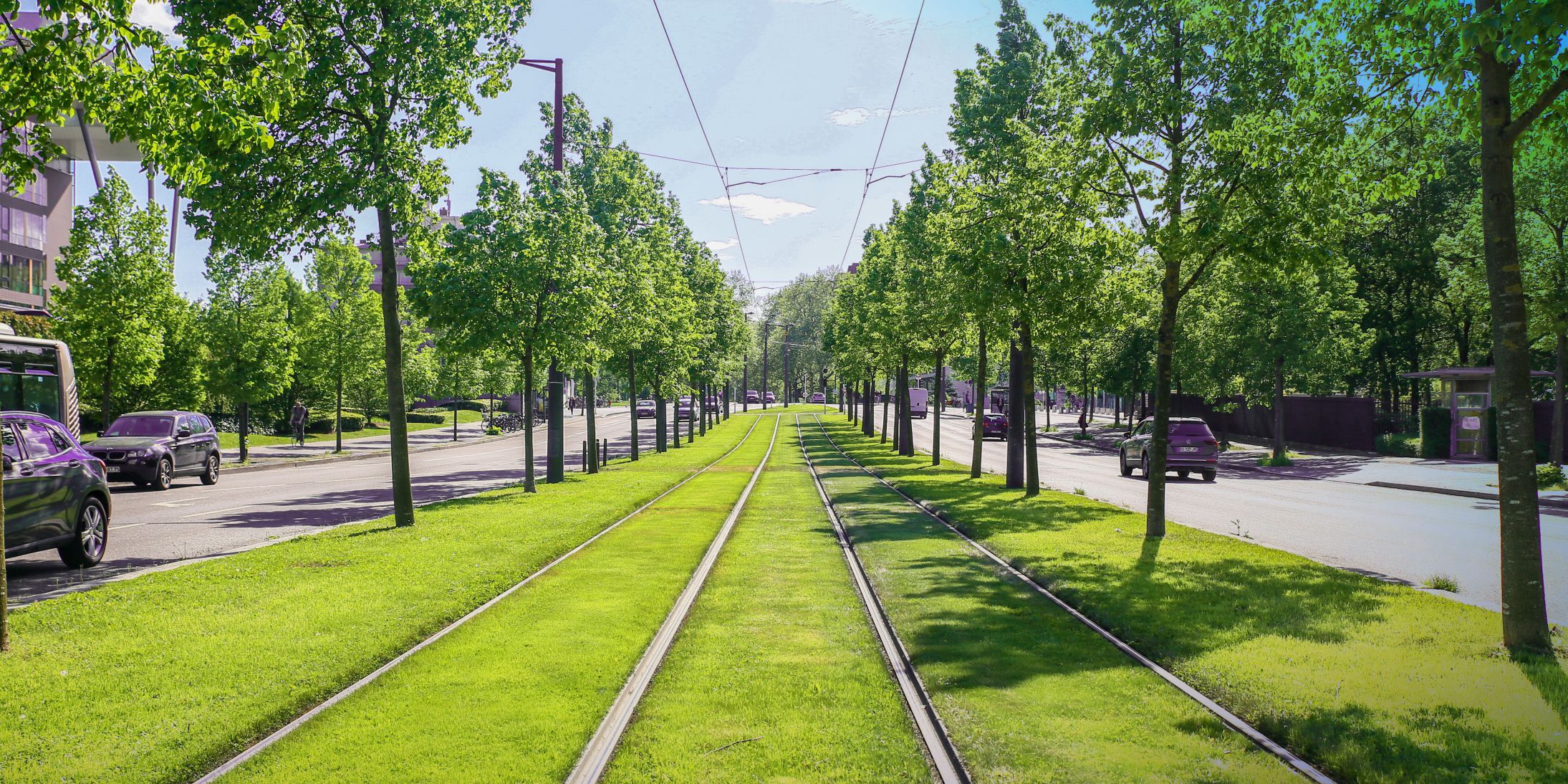
Real cases of Alstom and CAF and the key learnings for their suppliers
Digitalization is no longer optional in the railway sector. The pressure to manage thousands of requirements, accelerate certifications, industrialize in multiple countries, and maintain competitive margins forces major OEMs to work on a single virtual twin, with true digital continuity from engineering to service.
This approach not only transforms how manufacturers design and produce trains, but also directly impacts the entire value chain, especially suppliers who must align with new standards of collaboration, traceability, and change management.
In this context, Alstom and CAF represent two of the most solid and visible examples of how railway OEMs are using the 3DEXPERIENCE platform as a foundation to design, manufacture, and maintain more competitive trains. And most importantly: how this model redefines the relationship with their suppliers.
CAF: digital continuity to manage thousands of requirements and multiple configurations
CAF is a global provider of comprehensive transportation solutions, with projects involving thousands of requirements, country-specific regulations, and configurations tailored to each customer. To address this complexity, CAF has completed the migration of its solutions and data to the 3DEXPERIENCE platform as part of its strategy to increase productivity and accelerate product development.
Today:
- Around 1,200 users, both internal and suppliers, work on a single enterprise platform.
- Design information can be searched, retrieved, and reused quickly across projects, avoiding duplication.
- Change management is more automated and integrated, enabling more agile decision-making.
- Teams use virtual twins and virtual reality to validate prototypes with customers from early stages.
The result is a greater ability to meet thousands of requirements and deliver next-generation rolling stock projects — including the first developed entirely on the platform — within its MOVE transformation initiative.
Key learning for railway suppliers
When an OEM manages configurations and changes on a single platform, a supplier working in isolation accumulates delays, rework, and unnecessary friction. Integrating into that same digital environment is what enables faster delivery, fewer errors, and greater predictability.
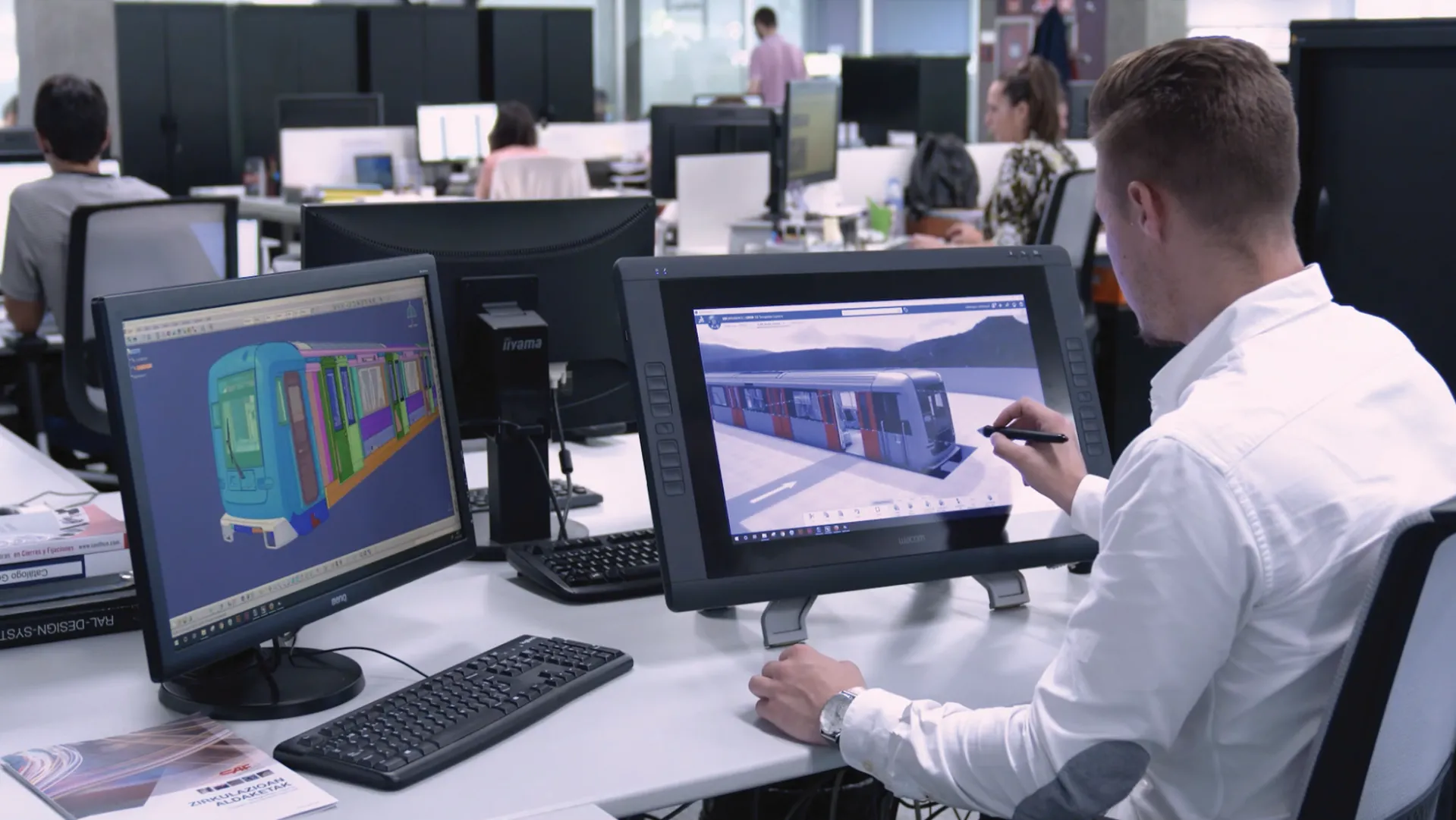
Alstom: a global backbone for engineering, manufacturing, and service
Alstom operates in nearly 70 countries, with dozens of engineering and production centers, and a portfolio ranging from high-speed trains to signaling systems and maintenance services. After integrating Bombardier Transportation, the priority was clear: unify processes, data, and methodologies on a global scale.
With this objective, Alstom launched its “PLM for A” program, based on the 3DEXPERIENCE platform, with the ambition to have:
- A single reference framework for engineering and industrial plants.
- Standardized processes that enable design, industrialization, and manufacturing in any country with greater agility.
- A platform acting as the digital backbone for the entire product lifecycle.
Before this project, Alstom used a PDM system focused on the digital mock-up that had become insufficient in the face of globalization, product variety, and bid speed challenges. With 3DEXPERIENCE, the goal is to optimize collaboration, eliminate duplication, and support its growth in an increasingly competitive railway market.
Key learning for railway suppliers
When an OEM operates on a global backbone based on 3DEXPERIENCE, suppliers that cannot integrate seamlessly lose responsiveness, increase rework, and reduce their competitiveness compared to other suppliers already digitally aligned.
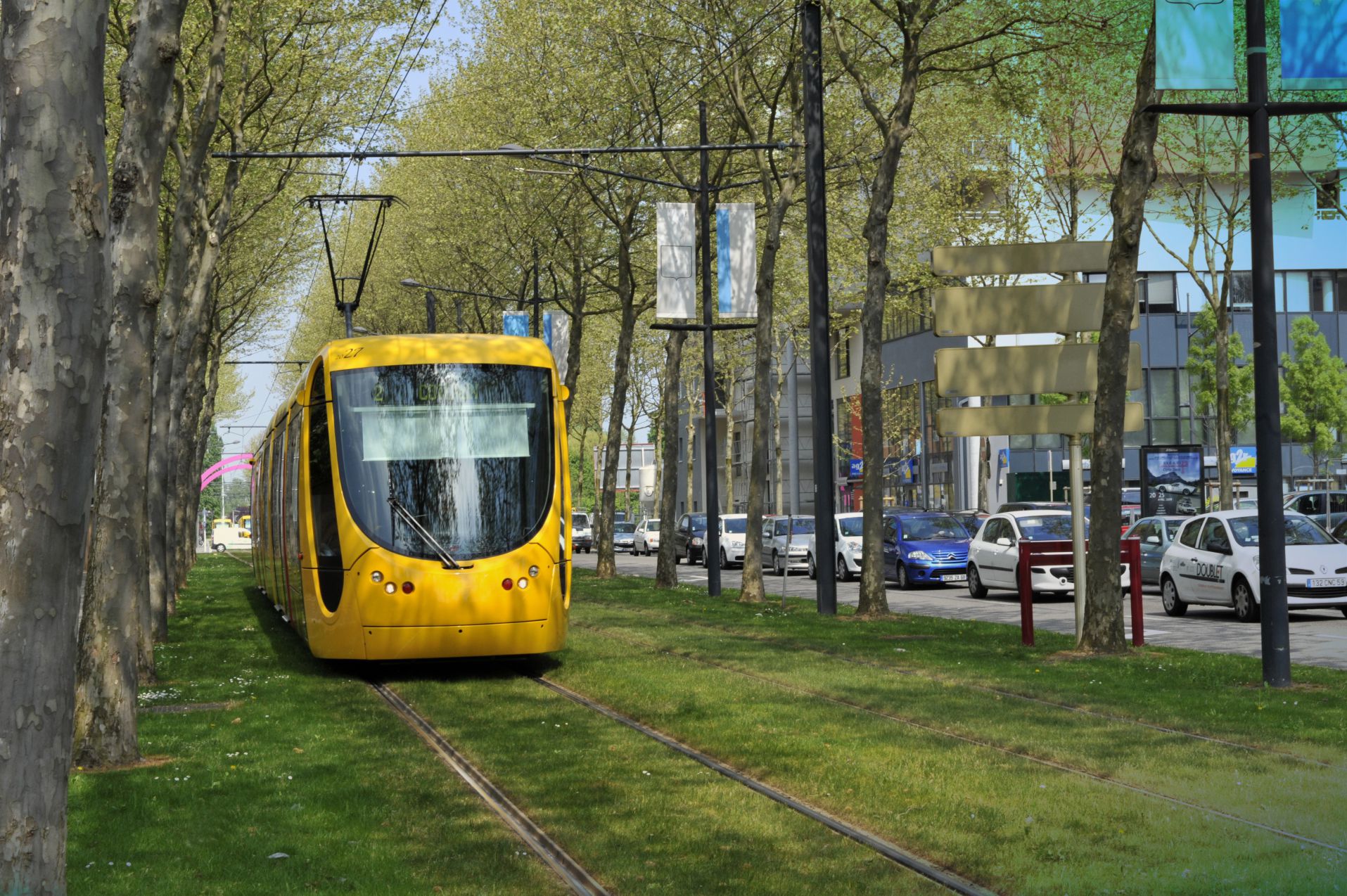
A common pattern among major railway OEMs
Although each company has different programs and realities, the major railway OEMs leading the sector’s transformation share several fundamental pillars:
- A single platform for engineering, manufacturing, and, in many cases, suppliers.
- One single source of truth, with no duplicated data or parallel systems.
- Variant and change management without chaos, with full traceability.
- Early virtual validation through virtual twins, reducing risks and accelerating decision-making.
More than a tool, it is an operating model that is setting the industry standard.
The impact on the supplier chain
Despite this evolution, many railway suppliers still work with:
- CATIA V5, SOLIDWORKS, or other tools not connected to each other.
- Isolated and poorly traceable simulation processes.
- Change management based on Excel or shared folders.
The consequence is clear: misalignment with OEMs, more rework, less agility, and fewer opportunities to win new projects.
What Alstom, CAF, and other industry leaders demand is not just good design, but digital consistency across the entire value chain.
Where CADTECH helps
CADTECH supports railway suppliers in:
- Assessing their digital situation and level of alignment with industry standards.
- Implementing 3DEXPERIENCE or integrating it with existing tools such as CATIA V5, SOLIDWORKS, or simulation solutions.
- Driving real team adoption so the platform generates impact from the very first project.
The goal is not to change everything, but to connect what already works and enable suppliers and OEMs to operate on the same digital thread, without friction.
Conclusion
Competitiveness in the railway sector no longer depends solely on the final train, but on the ability of the entire value network to operate with the same speed, precision, and traceability as major OEMs.
Alstom and CAF are already moving forward with this model.
The next step is for their supplier chain to be able to operate at that same level.