
DraftSight is a computer-aided design (CAD) software that allows architects, engineers, designers, and hobbyists to create, edit, and visualize 2D and 3D drawings.
DraftSight
2D and 3D CAD solution for design professionals
Developed by Dassault Systèmes, DraftSight offers an intuitive interface and advanced tools to meet design and technical documentation needs.
Main uses of DraftSight
Architectural design
Development of detailed blueprints for construction and renovation projects.
Mechanical engineering
Creation of mechanical parts and assemblies, including precise technical documentation.
Industrial design
Development of products and components with precision and efficiency.
Education and training
An ideal tool for students and teachers in disciplines related to design and engineering.
Benefits of using DraftSight
Familiar interface
Designed to make the transition from other CAD programs easier, with similar commands and functionalities.
File compatibility
Supports DWG, DXF, and DGN formats, enabling easy collaboration and file sharing.
Advanced tools
It includes features such as PDF import, batch printing, and parametric constraints to optimize workflow.
Integration with SOLIDWORKS
It integrates seamlessly with SOLIDWORKS and other Dassault Systèmes solutions, facilitating collaboration and data management.
Flexible licensing
Offers licensing options tailored to different needs and budgets, including network licenses and full technical support.
DraftSight: Design and technical documentation without limits
DraftSight is presented as a powerful and cost-effective alternative for professionals and companies seeking a complete and efficient CAD solution. Its ability to handle both 2D and 3D designs, along with its compatibility and flexibility, makes it an essential tool in the field of computer-aided design.
Discover how DraftSight can transform your design and technical documentation process. Contact us for more information.
News and trends around DraftSight
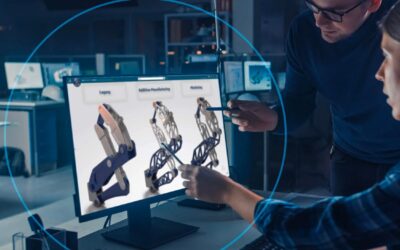
CATIA + Generative AI: Intelligent Design to Accelerate Innovation
Artificial intelligence (AI) is no longer a futuristic promise—it’s a day-to-day reality for engineers. With the rise of generative AI, industrial design has taken a qualitative leap forward: it’s now possible to create innovative concepts, optimize structures, and...
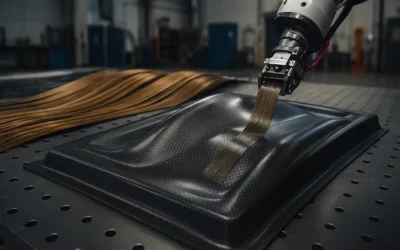
Composites and advanced materials: how CATIA drives innovation in engineering
The pressure to manufacture lighter, stronger, and more sustainable products is transforming industries such as automotive, aerospace, energy, and sports. The key lies not only in design, but also in the materials used. Composites and advanced materials are the answer...
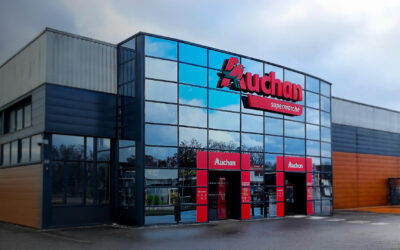
Auchan drives its digital transformation with ITEROP, the BPM solution.
The French retail chain modernizes its internal processes and improves cross-department collaboration with Dassault Systèmes’ BPM solution.The challenge: transforming internal efficiency The fast-moving consumer goods sector is undergoing constant evolution, driven by...