Model-Based Systems Engineering (MBSE) is a methodology that uses digital models to manage the development of complex systems. By replacing traditional document-based approaches, it provides a clearer and more structured view of the system, reducing ambiguity and enhancing decision-making.
Model-Based Systems Engineering (MBSE)
This approach optimizes communication between teams, ensuring consistency at every stage of development. Additionally, it enables early problem detection, speeding up the process and reducing costs, resulting in more efficient and higher-quality products.
Key Areas and Processes of MBSE in Product Development
MBSE encompasses several fundamental areas in product development:
Requirements Modeling
Capturing and managing stakeholder needs and expectations in structured models.

System Architecture Design
Development of detailed representations of the system’s structure and behavior, facilitating analysis and validation.

Analysis and Simulation
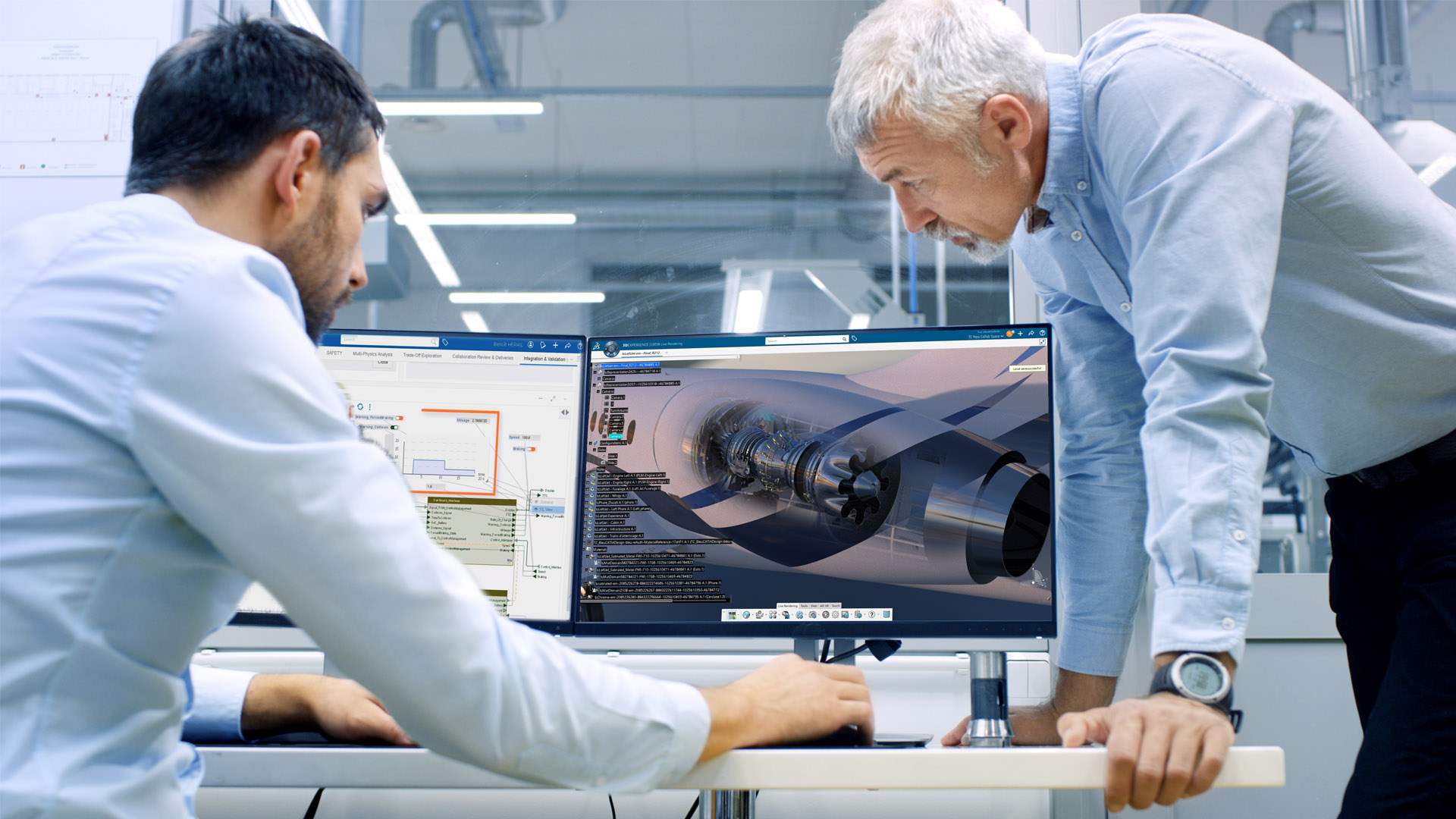
Evaluation of the system’s performance and behavior under different conditions, enabling the identification and resolution of potential issues before physical implementation.
Traceability Management
Tracking the relationships between requirements, components, and tests, ensuring system consistency and completeness.
Interdisciplinary Collaboration
Facilitates communication and cooperation among teams from different disciplines, ensuring a shared understanding of the system and its objectives.

The Value of MBSE in Complex Systems Development
Industrial companies face increasing challenges in managing complex systems, from misalignment between disciplines to difficulties in validation and the impact of late changes. MBSE turns these challenges into competitive advantages:
Unified Multidisciplinary Development
Centralizes information within digital models, ensuring that mechanical, electronic, and software engineering teams remain aligned from the very beginning.
Total Traceability and Early Validation
It allows for following every requirement, change, and decision in real time, reducing the risk of errors and facilitating audits and certifications.
Simulation And Optimization In Early Stages
It provides tools for evaluating different configurations before physical implementation, minimizing risks and development times.
Greater Agility In Response To Customer Changes And Requirements
By integrating all data into a single model, any modification is automatically propagated throughout the system, preventing inconsistencies and reducing costs.
CATIA Magic: Transforming Systems Engineering
CATIA Magic is a comprehensive solution that takes Model-Based Systems Engineering to a new level. Integrated into the 3DEXPERIENCE Platform, it allows companies to model, simulate, and manage complex systems in a collaborative environment. This integration facilitates the connection between design, simulation, and manufacturing, ensuring efficient and adaptive execution of product development processes.
Discover here how CATIA Magic can transform systems engineering in your company and optimize your processes.