
DraftSight is a computer-aided design (CAD) software that allows architects, engineers, designers, and hobbyists to create, edit, and visualize 2D and 3D drawings.
DraftSight
2D and 3D CAD solution for design professionals
Developed by Dassault Systèmes, DraftSight offers an intuitive interface and advanced tools to meet design and technical documentation needs.
Main uses of DraftSight
Architectural design
Development of detailed blueprints for construction and renovation projects.
Mechanical engineering
Creation of mechanical parts and assemblies, including precise technical documentation.
Industrial design
Development of products and components with precision and efficiency.
Education and training
An ideal tool for students and teachers in disciplines related to design and engineering.
Benefits of using DraftSight
Familiar interface
Designed to make the transition from other CAD programs easier, with similar commands and functionalities.
File compatibility
Supports DWG, DXF, and DGN formats, enabling easy collaboration and file sharing.
Advanced tools
It includes features such as PDF import, batch printing, and parametric constraints to optimize workflow.
Integration with SOLIDWORKS
It integrates seamlessly with SOLIDWORKS and other Dassault Systèmes solutions, facilitating collaboration and data management.
Flexible licensing
Offers licensing options tailored to different needs and budgets, including network licenses and full technical support.
DraftSight: Design and technical documentation without limits
DraftSight is presented as a powerful and cost-effective alternative for professionals and companies seeking a complete and efficient CAD solution. Its ability to handle both 2D and 3D designs, along with its compatibility and flexibility, makes it an essential tool in the field of computer-aided design.
Discover how DraftSight can transform your design and technical documentation process. Contact us for more information.
News and trends around DraftSight
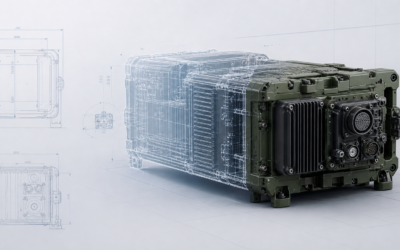
What defense programs really require (and almost nobody tells you)
When a company begins exploring entry into defense programs, the first thing it usually analyzes is its technical capabilities. Can we design this?Can we manufacture it?Do we have experience with similar products? These are logical questions. But they are not the ones...

BiSKY Team: The challenge of developing a rocket at University
NEXT GEN ENGINEERS Conversations with the teams shaping the future of engineering.(Photo © BiSKY Team)Behind every great engineering project are hundreds of hours of work, complex technical challenges, and a team of people united by a common goal. With Next Gen...
UUDS Aero Reduces Its Aerospace Certification Processes from Two Weeks to Two Days.
(Photo © UUDS Aero)Designing an aircraft interior is about much more than creating comfortable spaces for passengers. Every component must meet strict certification, quality, and traceability requirements while coordinating engineers, manufacturers, suppliers, and...