
Generative Tolerancing in CATIA 3DEXPERIENCE
How to automate tolerance definition in your 3D models
Defining tolerances is still one of the most manual processes in engineering.
Today, it is possible to automate it.
This isn’t about dimensioning faster. It’s about stopping doing it manually.
Structured definition of tolerances
Consistent application of criteria based on product and process type.
Interface automation
Reduction of manual work in defining mechanical connections.
Use of artificial intelligence
Trained models that automate tolerance definition.
Integration into the 3D model
All information directly on the product, without relying on drawings.
BEYOND CAD: WHERE IS THE PROBLEM
In most engineering processes:
- Tolerance definition is still manual
- A large part of the time is spent on documentation
- Criteria are not very consistent across projects
- Errors appear too late
The problem is not designing. It’s everything that comes after.
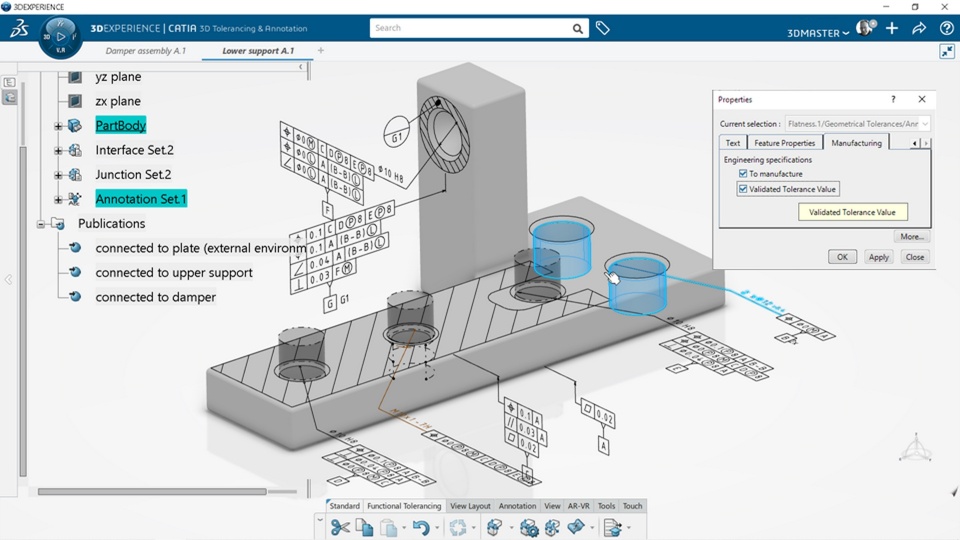
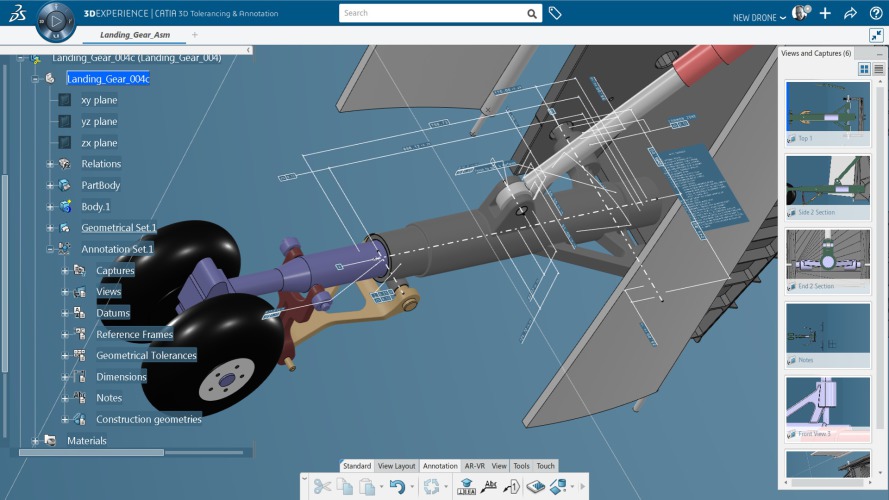
What changes when automation is introduced
With Generative Tolerancing:
- Tolerance definition time is drastically reduced
- Criteria are unified across all projects
- Repetitive tasks are automated
- The risk of manufacturing errors is reduced
- Tolerance definition is automated using trained models
Documentation is no longer a bottleneck.
What impact does it have on your company?
- Significant reduction in engineering time
- Fewer errors in manufacturing and assembly
- Greater consistency in product definition
- Improved final quality
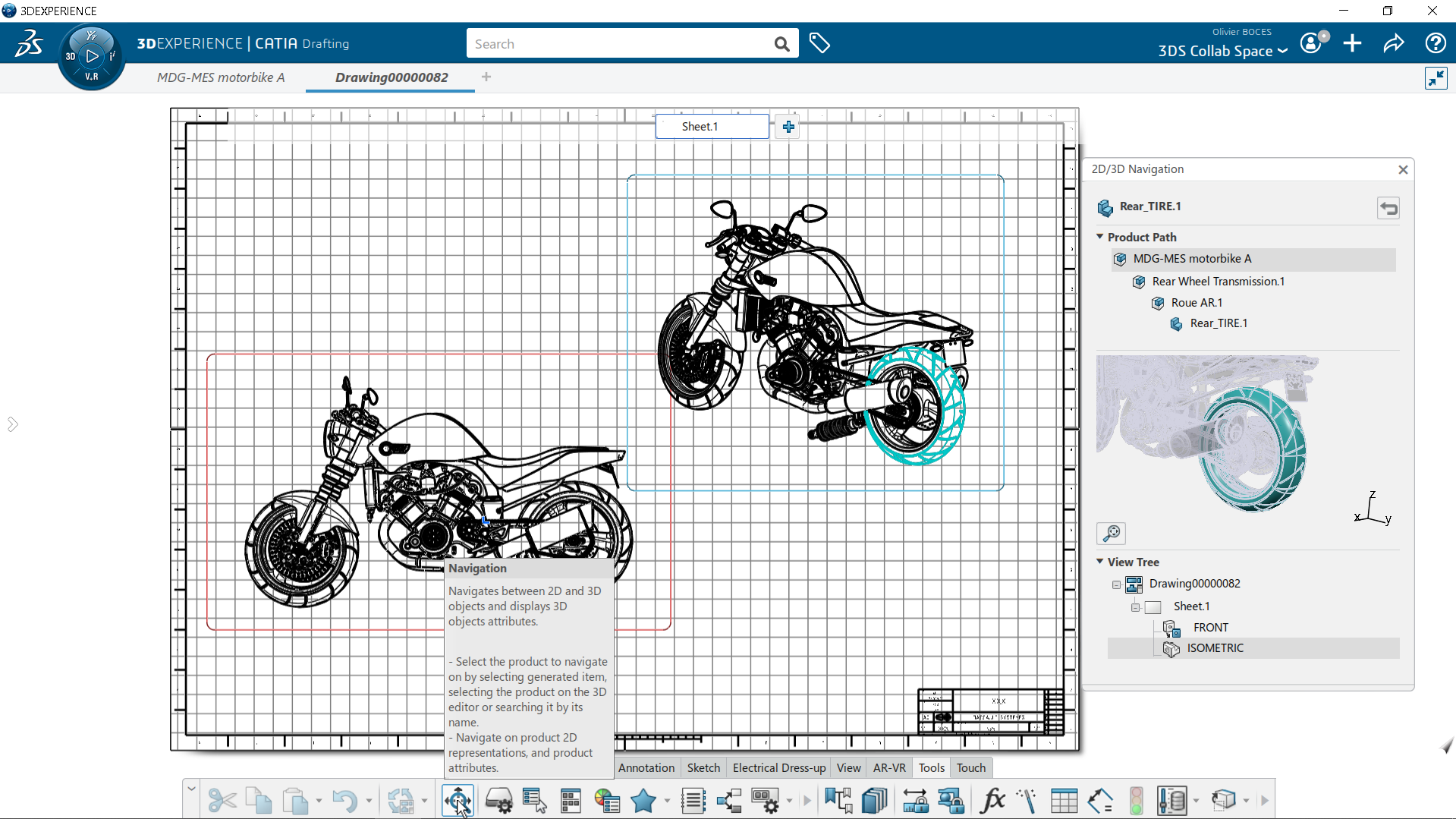

“Tolerance automation completely changes the time we spend documenting a product.”
Marcos Fernández
Technical Consultant
CADTECH