
DELMIA, a solution from Dassault Systèmes, provides advanced tools for the simulation and optimization of manufacturing processes. Its approach enables companies to model and improve their operations, ensuring more efficient, flexible production aligned with quality standards.
DELMIA
Advanced simulation of manufacturing processes
From process planning to ergonomics and logistics, DELMIA helps anticipate and solve manufacturing challenges. By integrating design, simulation, and execution in a digital environment, it enables more agile and accurate decision-making, ensuring more sustainable and competitive operations.
Key areas of digital manufacturing with DELMIA
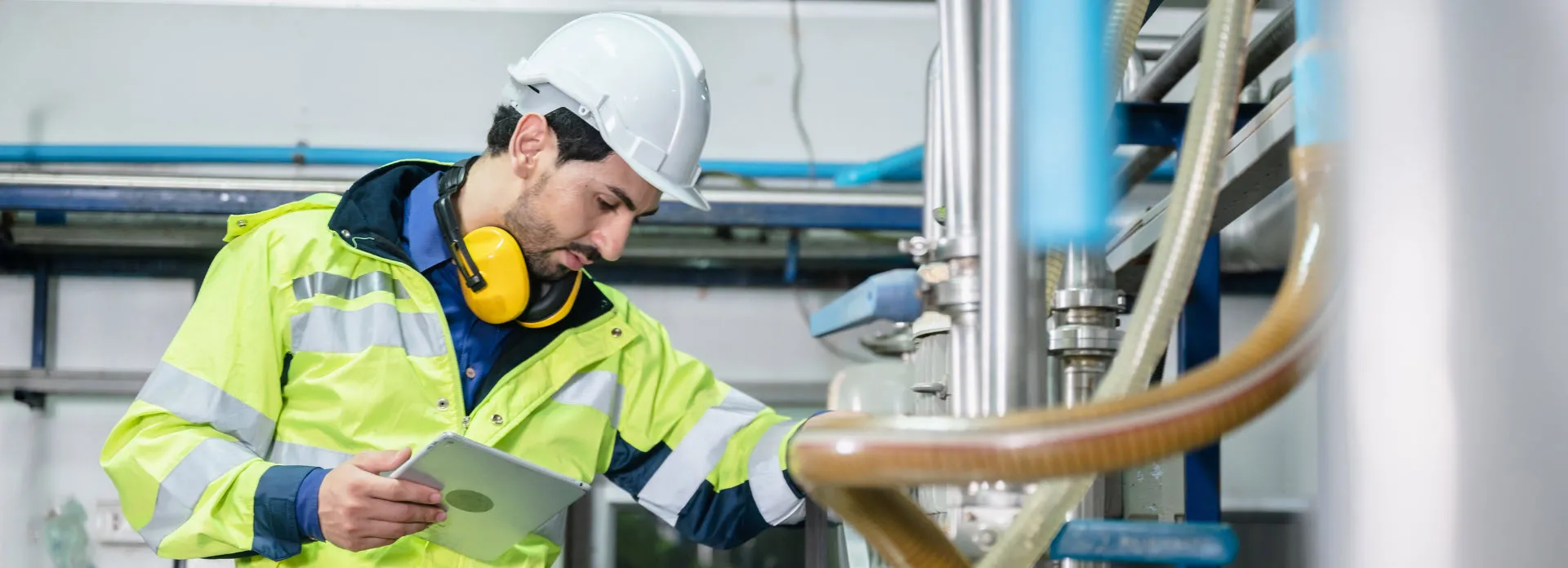
Ergonomics and human factors simulation
Ergonomic assessment: DELMIA Ergonomics allows analysis of the interaction between workers and their work environment, identifying ergonomic risks and improving workplace safety and comfort.
Human task simulation: Through DELMIA Human Task Simulation, worker movements and postures can be evaluated, optimizing workstation design to increase productivity and reduce injuries.
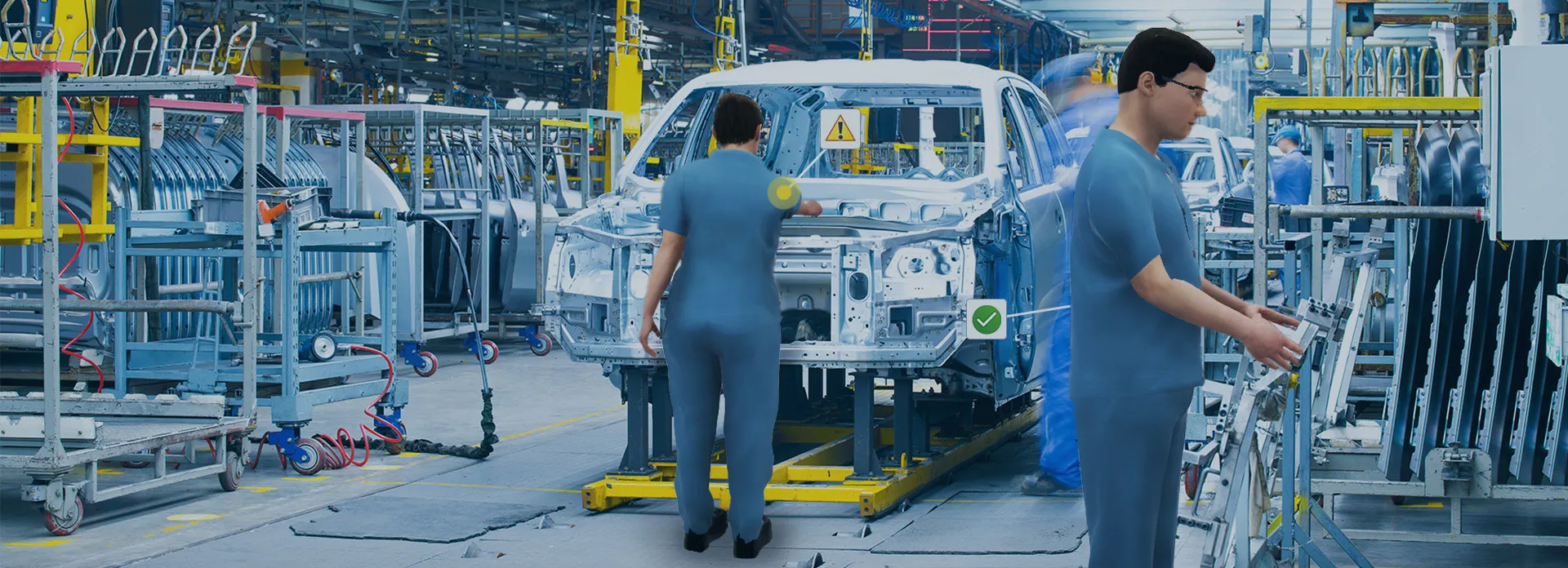
Simulation of logistics and material flows
Material flow simulation: DELMIA Logistics Simulation helps plan and simulate material flows within the plant, optimizing inventory management and ensuring efficient supply at every stage of production.
Internal transportation system modeling: With DELMIA Transportation and Logistics Planning, it is possible to simulate and optimize the transport and distribution of materials inside and outside the facilities, improving both internal and external logistics.
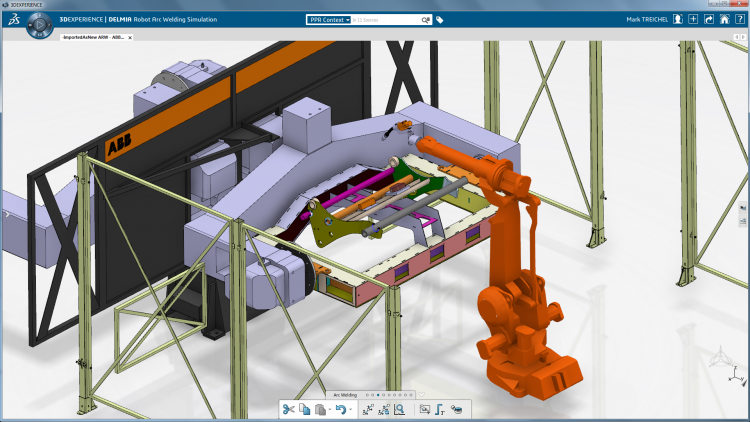
Simulation of welding processes
Welding process simulation: DELMIA Welding Simulation allows modeling and analysis of welding processes, evaluating distortions and residual stresses to improve the quality and durability of joints.
Simulation of painting and coating processes
Painting process simulation: DELMIA Paint Shop Simulation helps plan and optimize painting and coating processes, ensuring uniform coverage and reducing material waste.
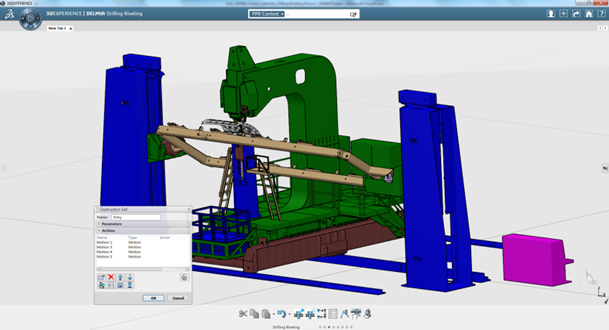
Production planning and optimization
Manufacturing process planning: with DELMIA Process Planning, companies can design and optimize their production processes before execution, reducing costs and development time.
Production and capacity planning: DELMIA Production Scheduler enables synchronization of resources, machinery, and materials, ensuring efficient production aligned with demand.
Benefits of implementing DELMIA
Improvement of operational efficiency
By simulating and optimizing processes, companies can identify and eliminate inefficiencies, reducing cycle times and operational costs.
Improved product quality
Simulation makes it possible to anticipate and correct potential defects in manufacturing processes, ensuring high-quality products.
Reduction of occupational risks
Ergonomic assessment and human task simulation help design safer work environments, reducing the risk of injuries and improving employee well-being.
Optimization of internal logistics
Simulation of material flows and internal transportation systems enables more efficient supply chain management, reducing inventories and delivery times.
DELMIA: simulation for smarter manufacturing
By adopting DELMIA’s simulation solutions, companies can transform their manufacturing processes, achieving greater competitiveness and adaptability in an ever-evolving market.
Discover how DELMIA’s simulation solutions can transform your manufacturing processes, improving efficiency, quality, and safety in your company. Contact us for more information.

News and trends around DELMIA
Virtual Commissioning: The Standard in Industrial Equipment Manufacturing
For years, commissioning has been the most unpredictable—and costly—phase of any industrial project.Endless hours of debugging, last-minute fixes, and improvised tests on the shop floor have turned this stage into a major production bottleneck.Every issue detected too...
CST Studio Suite: The Power of Electromagnetic Simulation to Ensure Quality and Safety
In industries where reliability and precision are critical—such as Aerospace & Defense or Transport & Mobility—every electronic component must meet the most demanding standards. Electromagnetic interference, signal noise, or compatibility issues can compromise...
Vericut Optimizer: autonomous CNC optimization for any CAM
A slight overload in a single pass, a barely noticeable vibration… and a €40,000 machining head ends up damaged. In another plant, a technician discovers that by reducing just half a gram per part in a run of 10,000 units, the company could have saved more than a week...