
DELMIA, a solution from Dassault Systèmes, provides advanced tools for the simulation and optimization of manufacturing processes. Its approach enables companies to model and improve their operations, ensuring more efficient, flexible production aligned with quality standards.
DELMIA
Advanced simulation of manufacturing processes
From process planning to ergonomics and logistics, DELMIA helps anticipate and solve manufacturing challenges. By integrating design, simulation, and execution in a digital environment, it enables more agile and accurate decision-making, ensuring more sustainable and competitive operations.
Key areas of digital manufacturing with DELMIA
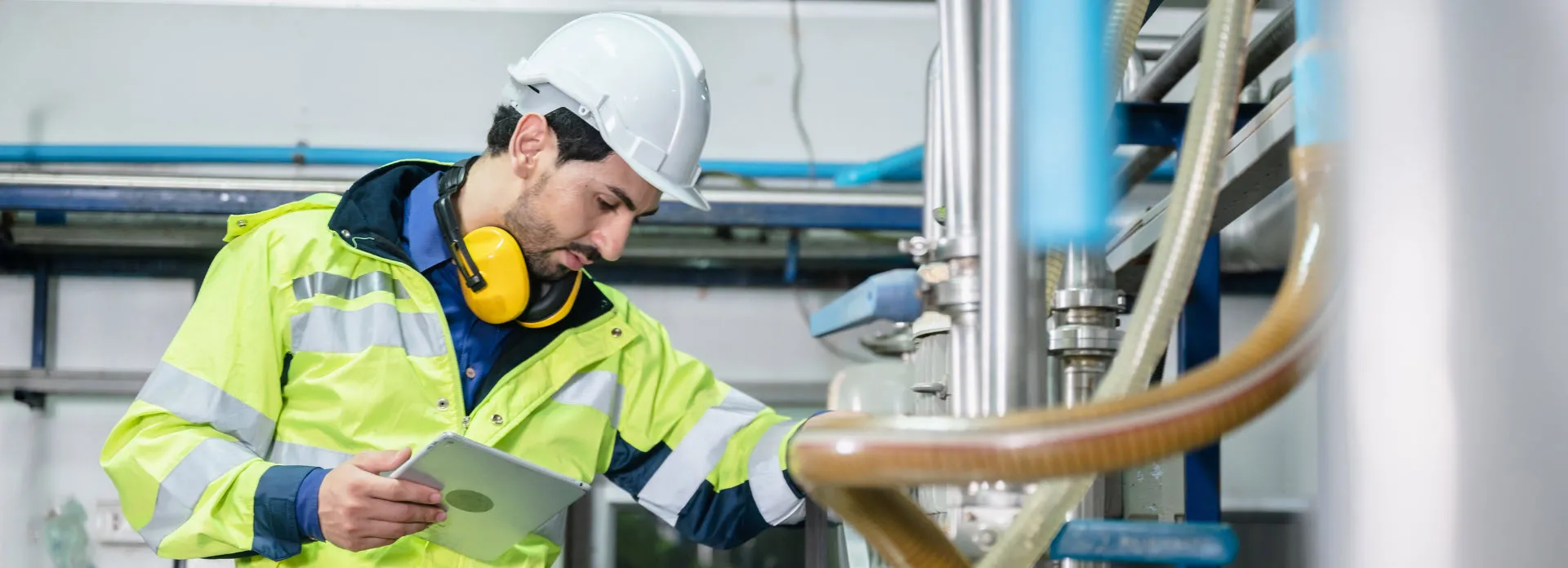
Ergonomics and human factors simulation
Ergonomic assessment: DELMIA Ergonomics allows analysis of the interaction between workers and their work environment, identifying ergonomic risks and improving workplace safety and comfort.
Human task simulation: Through DELMIA Human Task Simulation, worker movements and postures can be evaluated, optimizing workstation design to increase productivity and reduce injuries.
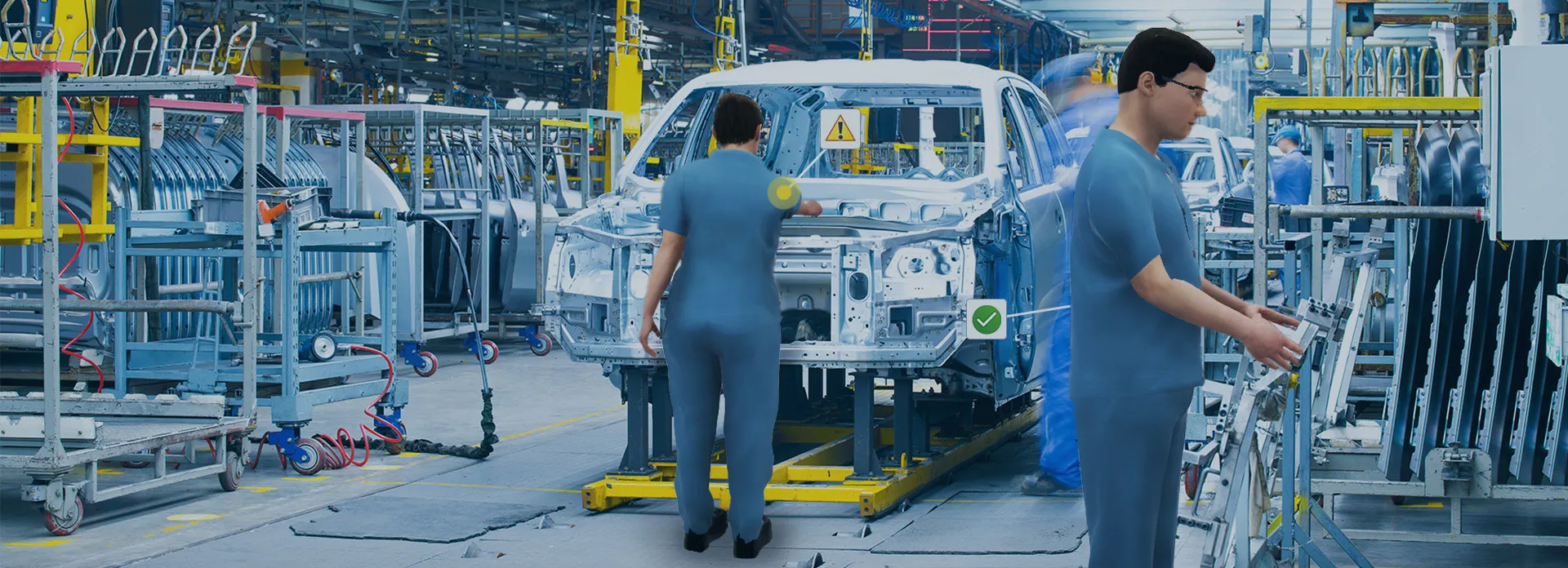
Simulation of logistics and material flows
Material flow simulation: DELMIA Logistics Simulation helps plan and simulate material flows within the plant, optimizing inventory management and ensuring efficient supply at every stage of production.
Internal transportation system modeling: With DELMIA Transportation and Logistics Planning, it is possible to simulate and optimize the transport and distribution of materials inside and outside the facilities, improving both internal and external logistics.
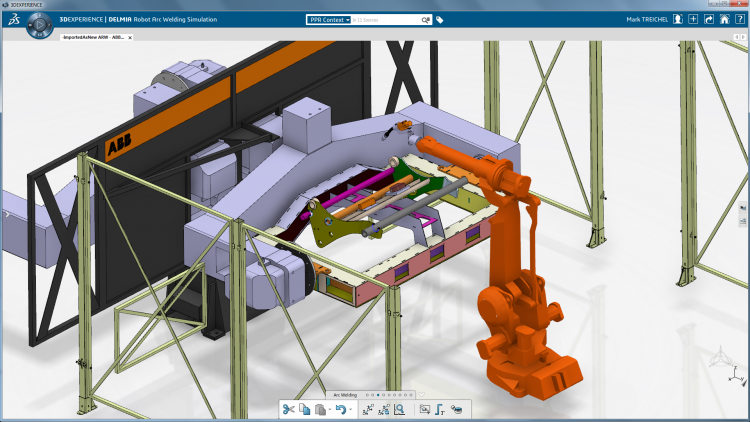
Simulation of welding processes
Welding process simulation: DELMIA Welding Simulation allows modeling and analysis of welding processes, evaluating distortions and residual stresses to improve the quality and durability of joints.
Simulation of painting and coating processes
Painting process simulation: DELMIA Paint Shop Simulation helps plan and optimize painting and coating processes, ensuring uniform coverage and reducing material waste.
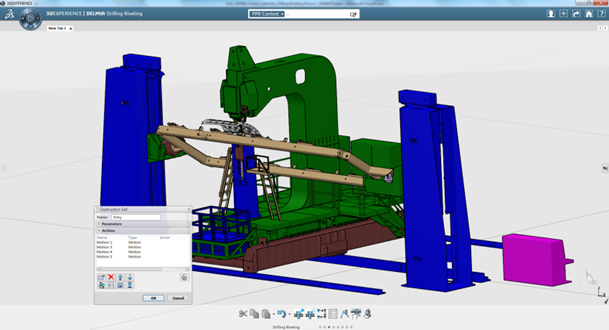
Production planning and optimization
Manufacturing process planning: with DELMIA Process Planning, companies can design and optimize their production processes before execution, reducing costs and development time.
Production and capacity planning: DELMIA Production Scheduler enables synchronization of resources, machinery, and materials, ensuring efficient production aligned with demand.
Benefits of implementing DELMIA
Improvement of operational efficiency
By simulating and optimizing processes, companies can identify and eliminate inefficiencies, reducing cycle times and operational costs.
Improved product quality
Simulation makes it possible to anticipate and correct potential defects in manufacturing processes, ensuring high-quality products.
Reduction of occupational risks
Ergonomic assessment and human task simulation help design safer work environments, reducing the risk of injuries and improving employee well-being.
Optimization of internal logistics
Simulation of material flows and internal transportation systems enables more efficient supply chain management, reducing inventories and delivery times.
DELMIA: simulation for smarter manufacturing
By adopting DELMIA’s simulation solutions, companies can transform their manufacturing processes, achieving greater competitiveness and adaptability in an ever-evolving market.
Discover how DELMIA’s simulation solutions can transform your manufacturing processes, improving efficiency, quality, and safety in your company. Contact us for more information.
News and trends around DELMIA
What defense programs really require (and almost nobody tells you)
When a company begins exploring entry into defense programs, the first thing it usually analyzes is its technical capabilities. Can we design this?Can we manufacture it?Do we have experience with similar products? These are logical questions. But they are not the ones...
BiSKY Team: The challenge of developing a rocket at University
NEXT GEN ENGINEERS Conversations with the teams shaping the future of engineering.(Photo © BiSKY Team)Behind every great engineering project are hundreds of hours of work, complex technical challenges, and a team of people united by a common goal. With Next Gen...
UUDS Aero Reduces Its Aerospace Certification Processes from Two Weeks to Two Days.
(Photo © UUDS Aero)Designing an aircraft interior is about much more than creating comfortable spaces for passengers. Every component must meet strict certification, quality, and traceability requirements while coordinating engineers, manufacturers, suppliers, and...