
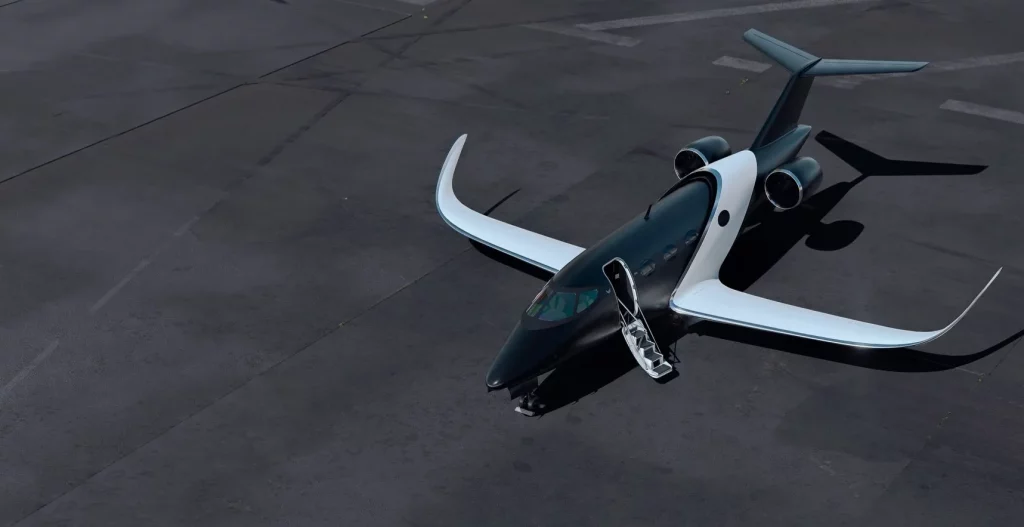
The French startup Beyond Aero is creating the world’s first electric business aircraft designed for hydrogen propulsion. Using Dassault Systèmes’ technology, Beyond Aero has developed a new architecture to optimize the integration of hydrogen tanks and fuel cell systems. By combining design, simulation, and model-based systems engineering (MBSE) within the 3DEXPERIENCE platform in the cloud, the company has accelerated development, mastering complexity and maintaining full traceability throughout the product lifecycle. Through a simplified virtual twin, Beyond Aero has successfully tested, validated, and flown its 85kW propulsion system.
A Step Forward in Hydrogen-Electric Propulsion
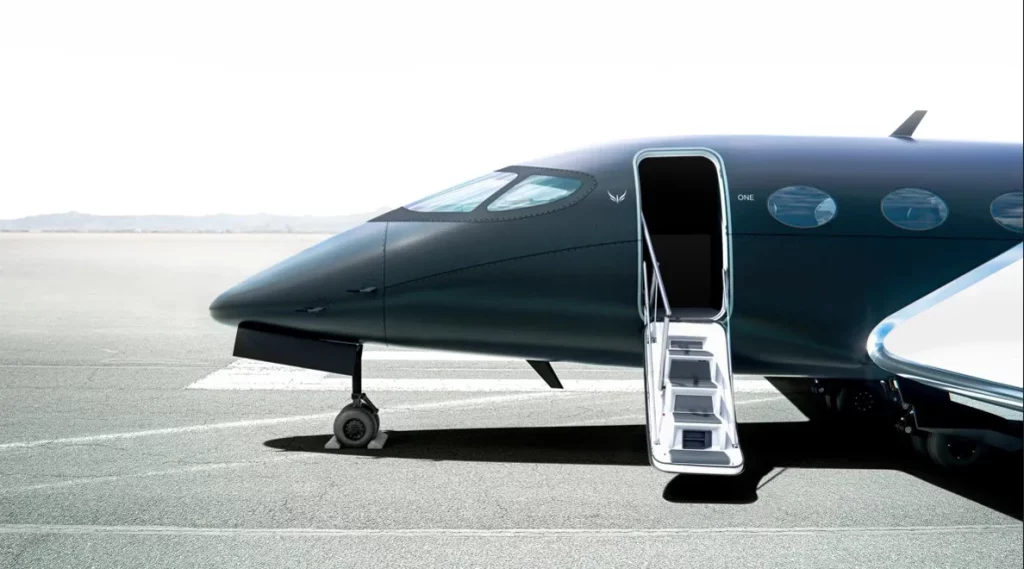
On a winter morning at the Gap-Tallard airfield, near the French Alps, a test aircraft took off for the first time. In the cockpit was test pilot Paul Prudent, who successfully completed 10 takeoffs, including two full flights. The demonstrator, named Blériot, was equipped with an 85-kilowatt hydrogen-electric powertrain prototype developed by Beyond Aero, generating two-thirds of its power from a hydrogen fuel cell and the remaining third from batteries. It was a major milestone for Beyond Aero, a French startup planning to launch One, the world’s first electric business aircraft designed for hydrogen propulsion.
“The climate challenge we face is so significant that we must move toward a future free of fossil fuels, and one of the fastest ways to achieve this is through electric propulsion,” said Jacques-Alexis Verrecchia, Head of Product at Beyond Aero. “However, battery weight remains an obstacle, so we looked for alternative ways to generate electricity, and hydrogen is the most viable option for aviation. One promises to be cleaner, more cost-efficient, and much quieter compared to traditional business aircraft.”
Paving the Way for a New Era of Flight
One is expected to enter the market by 2030 and will be capable of carrying up to eight people over a range of 1,500 kilometers; its hydrogen powertrain enables a range seven times greater than what is currently possible using lithium-ion batteries alone.
Due to the complexities associated with hydrogen storage, Beyond Aero is developing its hybrid power distribution system from scratch, as well as the aircraft architecture to accommodate it. To achieve this within its ambitious timeline, Beyond Aero needed a powerful solution to efficiently manage every phase of the product development cycle, from design and testing to certification and manufacturing. The 3DEXPERIENCE platform in the cloud proved to be the ideal solution.
Advantages of the 3DEXPERIENCE Platform
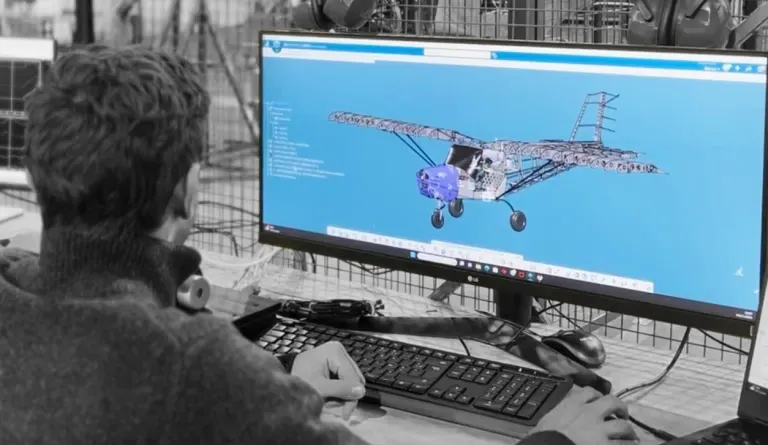
The 3DEXPERIENCE platform enables centralized data management within a cloud-based product lifecycle management (PLM) environment, with secure access from anywhere at any time. This ensures full traceability of One’s development and its innovative hydrogen powertrain, from concept to manufacturing and beyond.
“Today, the 3DEXPERIENCE platform serves as our PLM backbone, ensuring that everyone is working on the same objects and that all our tools communicate with each other. And since everything is cloud-based, we don’t have to manage IT infrastructure internally. It’s much more efficient,” said Verrecchia.
A Trusted Partner
In addition to seeking powerful design, simulation, and engineering capabilities, Beyond Aero also wanted to work with a technology provider that was more than just a vendor; it needed a partner capable of understanding its specific industry needs and supporting its roadmap.
“Dassault Systèmes and the 3DEXPERIENCE platform are well recognized in the industry, so we knew choosing this solution was not a risk,” said Verrecchia. “However, one thing I really appreciated was that they had a dedicated team for startups. We valued the direct contact. This, combined with the startup offering and cloud-based tools, was very compelling.”
Integrated Design and Simulation
Before building its hybrid powertrain prototype, Beyond Aero created the entire system virtually on the 3DEXPERIENCE platform in the cloud, using CATIA for 3D mechanical design. The ability to unify design and simulation within a single data model allows for rapid iteration and validation of new designs.
The Future of Flight
Beyond Aero is moving quickly to manufacture, certify, and bring One to market. From there, the company aims to launch a passenger aircraft and potentially even larger commercial planes, where the real challenge of carbon emissions lies.
Beyond Aero also plans to use the 3DEXPERIENCE platform to conduct lifecycle assessments and track One’s environmental footprint throughout its lifecycle, from raw material sourcing to end-of-life.
Click here to read the full case study on the Dassault Systèmes website.
Source: Dassault Systèmes
CADTECH Communications Department
comunicacion@cadtech.es – 800 007 177